The Caravan Database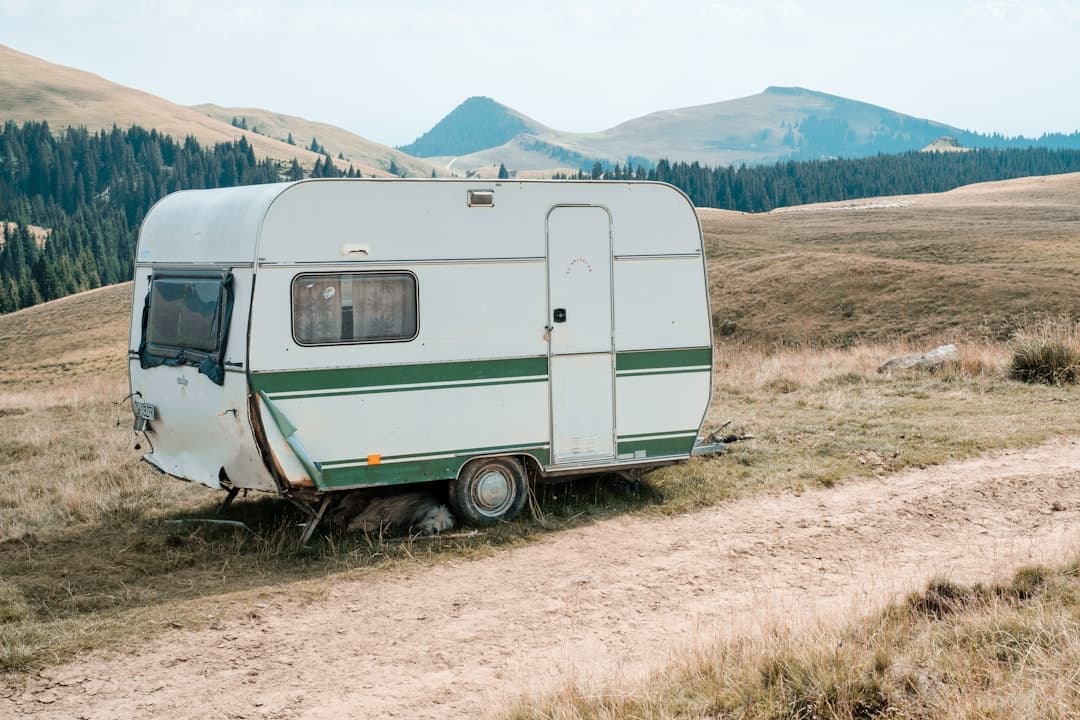
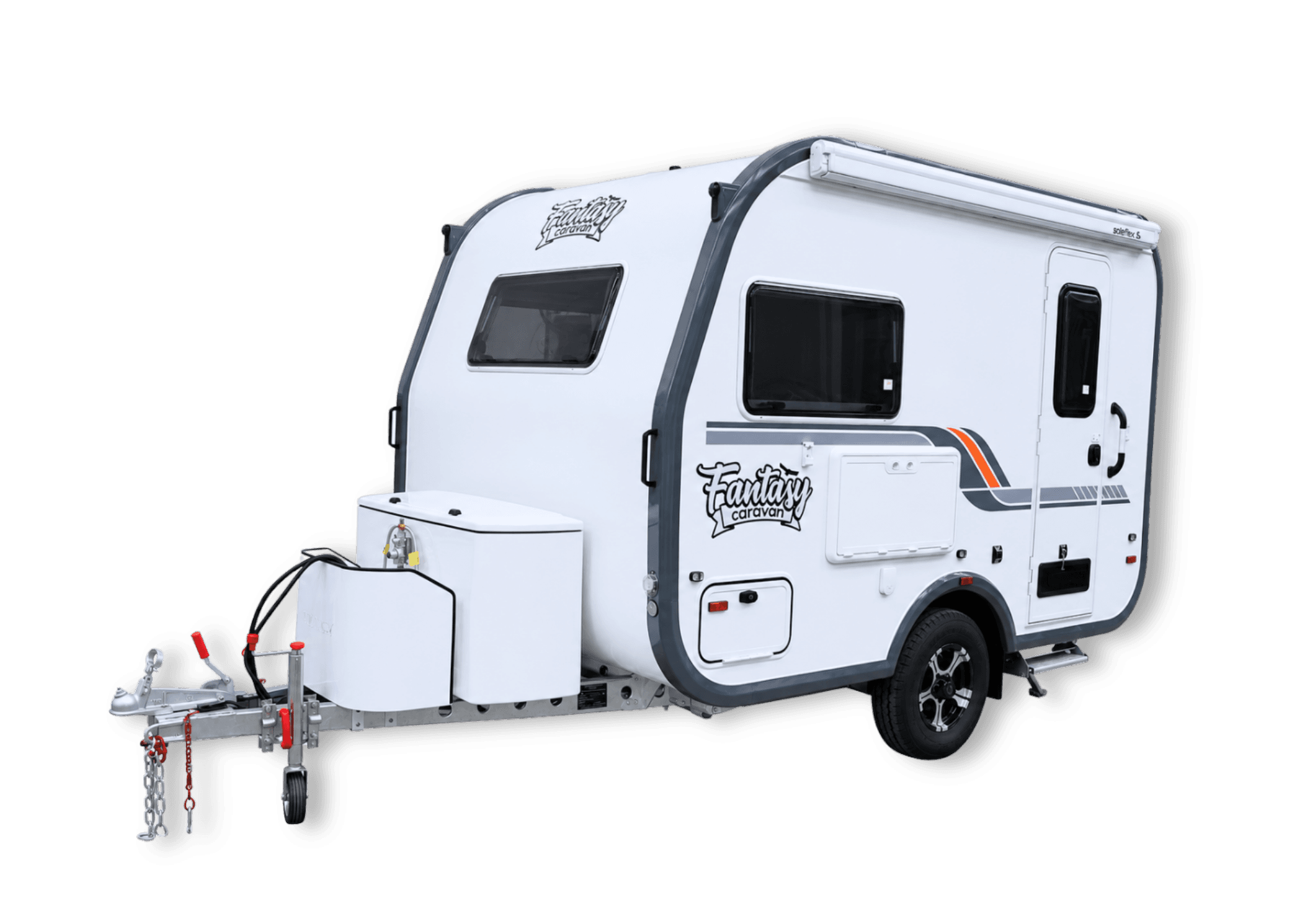
Finding the perfect caravan that doesn’t require a heavy-duty tow vehicle can be a challenge. However, the market for small caravans under 1500kg is growing, offering fantastic options for adventurers who own mid-size SUVs or larger sedans. These lightweight vans provide the freedom of the open road without the expense and hassle of a massive rig. A standout example is the Fantasy Caravan Mystic 11, which packs an ensuite, air conditioning and a lithium battery into a compact frame with a Tare Mass of 1200kg.
Choosing a lightweight caravan opens up a world of possibilities. They are generally more affordable, easier to store, and significantly more fuel-efficient to tow. This guide will explore the benefits of this weight class, detail what to look for when buying, and spotlight a leading model to help you make an informed decision for your next Australian adventure.
Why Choose Small Caravans Under 1500kg?
The appeal of small caravans under 1500kg lies in their accessibility and practicality. For many Australians, the prospect of buying a large, expensive 4WD just to tow a caravan is a major barrier. Lightweight vans neatly solve this problem, making the caravanning lifestyle attainable for a much broader range of people and vehicles.
One of the most significant advantages is the ease of towing. Manoeuvring a smaller, lighter van through city traffic, into tight caravan park sites, or reversing into your driveway is far less stressful. This reduced weight also translates directly to better fuel economy for your tow vehicle, saving you money on every trip. Furthermore, the lower purchase price of these vans makes them a more budget-friendly entry point into the market.
This weight category is perfectly matched with Australia's most popular vehicles. Many mid-size SUVs, such as the Toyota RAV4, Mazda CX-5, and Hyundai Tucson, have towing capacities that comfortably accommodate a van with a 1500kg Aggregate Trailer Mass (ATM). This means you can likely use your existing daily driver, eliminating the need for a specialised tow tug.
Understanding Key Caravan Weight Terminology
Before diving into specific models, it’s crucial to understand the language of weight ratings. These figures are not just technical jargon; they are legal requirements that ensure your safety on the road. Getting them wrong can lead to fines, voided insurance, and dangerous towing situations.
Tare Mass
Tare Mass (or Tare Weight) is the weight of the caravan as it leaves the factory, completely empty. It doesn’t include water in the tanks, gas in the bottles, or any of your personal gear. It's the baseline weight of the van itself. For the models we're discussing, this figure is the starting point, and you'll add your payload to it.
Aggregate Trailer Mass (ATM)
This is the most important number for this category. The ATM is the maximum legal weight of the caravan when fully loaded. It is the combination of the Tare Mass plus the entire payload (water, gas, food, clothing, camping equipment, etc.). Your caravan must never, under any circumstances, weigh more than its specified ATM when weighed at a weighbridge, as it is not designed to safely carry more.
Payload Capacity
Payload is the difference between the ATM and the Tare Mass (ATM - Tare = Payload). This figure tells you exactly how much weight you can add to your caravan in the form of water, supplies, and personal belongings. A generous payload is essential for comfortable, long-term travel. A van with a 1200kg Tare and 1500kg ATM, for instance, has a payload capacity of 300kg.
Tow Ball Mass (TBM)
Also known as Tow Ball Download, the TBM is the amount of weight the fully loaded caravan exerts downwards on the tow ball of your vehicle. This is typically around 10% of the caravan's total loaded weight (its GTM). It's a critical figure, as your vehicle will have its own TBM limit which you must not exceed. An incorrect TBM can lead to dangerous trailer sway or loss of steering control.
A Spotlight on a Top Contender: Small Caravans Under 1500kg
While the market has several options, some models stand out for their clever design, robust build, and excellent value. Here, we take an in-depth look at a fantastic example that epitomises the benefits of a lightweight design.
Fantasy Caravan Mystic 11 (2026 Model)
The Fantasy Caravan Mystic 11 is a prime example of modern engineering in the lightweight caravan space. Designed for couples or solo travellers, it delivers comfort and functionality in a compact and easily towable package, making it a compelling choice for those new to caravanning or looking to downsize.
Core Specifications:
- Sleeps: 2
- Price: $38,990
- Overall Length: 4.91m
- Tare Mass: 1200kg
- Aggregate Trailer Mass (ATM): 1500kg
Towing and Weight Analysis
The Mystic 11's specifications are its main attraction. With a Tare Mass of 1200kg, it sits comfortably in the lightweight category. The ATM of 1500kg leaves a payload of 300kg. That covers the 70-litre water tank, two gas bottles and a couple's gear, but it is a working limit, not a generous one, so it pays to weigh what you pack. The published tow ball weight is just 60kg.
This weight profile makes it an ideal match for a vast range of Australian vehicles. You don't need a LandCruiser; a mid-size SUV is more than sufficient, making it a practical and economical choice for daily drivers.
Design and Livability
At only 4.91 metres long, the Mystic 11 is incredibly nimble. This compact footprint makes it a breeze to park and store. Inside, the layout is optimised for two people: a sofa that converts to the bed, an induction cooktop and 102-litre compressor fridge, and a combined shower and toilet ensuite. A rooftop reverse-cycle air conditioner, a 200Ah lithium battery and 300 watts of roof solar are standard. The focus is on providing the core comforts needed for a great trip without the wasted space or weight of larger, more complex layouts. It's a testament to the intelligent design from its manufacturer, Fantasy Caravan.
Value Proposition
Priced at $38,990, the 2026 Mystic 11 represents sharp value in the new caravan market. For this price, you get a brand-new, fully equipped van that is ready for adventure. When you factor in the savings from not needing a specialised tow vehicle and the improved fuel economy, the total cost of ownership is significantly lower than that of a traditional, larger caravan.
Comparison of Lightweight Caravans
To help you visualise how these models stack up, here is a quick comparison table. As you explore the market, use these key metrics to weigh your options.
| Model | Sleeps | Tare Mass | ATM | Overall Length | Price |
|---|---|---|---|---|---|
| Fantasy Caravan Mystic 11 | 2 | 1200kg | 1500kg | 4.91m | $38,990 |
What to Look For When Buying a Lightweight Caravan
Choosing the right small caravan involves more than just looking at the weight. You need to consider its construction, features, and how well it matches your travel style and tow vehicle.
Construction and Materials
To achieve a low Tare Mass, manufacturers use advanced construction techniques and materials. Look for caravans with aluminium frames, which are lighter than traditional steel (or Meranti timber) frames while still providing excellent strength. Cladding can be traditional ribbed aluminium or, on more premium models, a composite fibreglass panel. Composite panels offer superior insulation, hail resistance, and a modern look, but may come at a higher price point. Check the chassis as well; a hot-dip galvanised chassis is the gold standard for long-term corrosion resistance.
Suspension System
The suspension is critical to how the caravan handles on the road. For vans intended purely for sealed roads, a simple leaf spring suspension system is often adequate and cost-effective. However, if you plan to venture onto gravel roads or explore national parks, an independent suspension system is highly recommended. It provides a smoother ride, better handling on uneven surfaces, and is generally more robust, protecting both your caravan and its contents from excessive vibration.
Layout and Internal Features
Space is at a premium in a small caravan, so the layout must be clever and efficient. Common designs include a front bed, a central kitchen, and a rear dinette. Often, the dinette will convert into the main bed to maximise daytime living space. Check the kitchen facilities: is there enough bench space? Is the fridge large enough for your needs (e.g., compressor vs. 3-way)? Storage is also key. Look for smart storage solutions like overhead lockers, under-bed storage, and external hatches.
Tow Vehicle Compatibility
Never purchase a caravan without first confirming your vehicle's towing specifications. You must check three key figures in your vehicle's handbook or on the placard inside the driver's door:
- Maximum Braked Towing Capacity: This must be equal to or greater than the caravan's ATM. For this category, your vehicle needs a capacity of at least 1500kg.
- Maximum Tow Ball Mass: Your vehicle's TBM limit must be higher than the actual TBM of your loaded caravan.
- Gross Combined Mass (GCM): This is the maximum legal weight of the tow vehicle and the caravan combined. You need to ensure that the weight of your fully loaded car plus the weight of your fully loaded van does not exceed this limit.
Frequently Asked Questions (FAQ)
Do I need electric brakes for a caravan under 1500kg?
Yes. In Australia, any trailer with a Gross Trailer Mass (GTM) exceeding 750kg must have its own braking system. For caravans up to 2000kg GTM, this is typically an electric brake system controlled by a brake controller unit mounted in the tow vehicle. It is a legal and critical safety requirement.
Can a normal family sedan tow a 1500kg caravan?
It depends entirely on the specific sedan. Most small-to-medium sedans in Australia have towing capacities between 1200kg and 1400kg, which would not be sufficient. However, some larger sedans and wagons (e.g., Skoda Superb, Holden Commodore) can have capacities of 1800kg or more, making them suitable. Always check your vehicle's specific tow rating before considering any caravan.
What is a good payload capacity for a small caravan?
Around 300kg is the practical minimum for a small van designed for two people, and more is better. The Fantasy Caravan Mystic 11 sits right at that mark with 300kg. That allows for water (1L ≈ 1kg), a couple of 9kg gas bottles, food and clothing, but leaves little spare, so pack with the scales in mind.
Conclusion: Your Lightweight Adventure Awaits
The world of small caravans under 1500kg offers an exciting and accessible path to the caravanning lifestyle. They prove that you don't need a giant, fuel-guzzling rig to explore the incredible beauty of Australia. By prioritising clever design, efficient use of space, and lightweight materials, models like the Fantasy Caravan Mystic 11 deliver a comfortable and capable travelling experience that can be towed by the cars many of us already own.
When you're ready to take the next step, remember to check your vehicle's weight ratings, consider the types of roads you want to travel, and think about the layout that best suits your needs. The perfect lightweight van is out there.
To explore a wider range of options, you can browse all caravans on our database or use our tool to compare caravans side-by-side to find the one that's right for you.