The Caravan Database
Choosing your next caravan is a significant decision, and one of the most fundamental choices you'll face is the single vs tandem axle caravan debate. The right configuration depends entirely on your travel style, budget, tow vehicle, and what you plan to carry. In short, single axle caravans are lighter, more manoeuvrable, and cheaper to buy and maintain, making them ideal for couples, shorter trips, and those with smaller tow vehicles. Tandem axle caravans offer superior towing stability, a much higher payload capacity, and enhanced safety, making them the preferred choice for families, long-haul touring, and carrying heavy loads.
This comprehensive guide will break down all the critical factors, comparing the pros and cons of each setup. We'll explore everything from on-road performance and safety to upfront and ongoing costs, helping you make an informed decision for your Australian adventures. By understanding the core differences, you can confidently select an axle configuration that perfectly matches your needs.
Single vs Tandem Axle Caravan: Key Differences Explained
The number of axles on a caravan is more than just a technical specification; it fundamentally changes the caravan's behaviour on the road, its capacity, and its overall cost of ownership. Let's dive deep into the specific areas where these two configurations differ.
Towing Stability and Safety
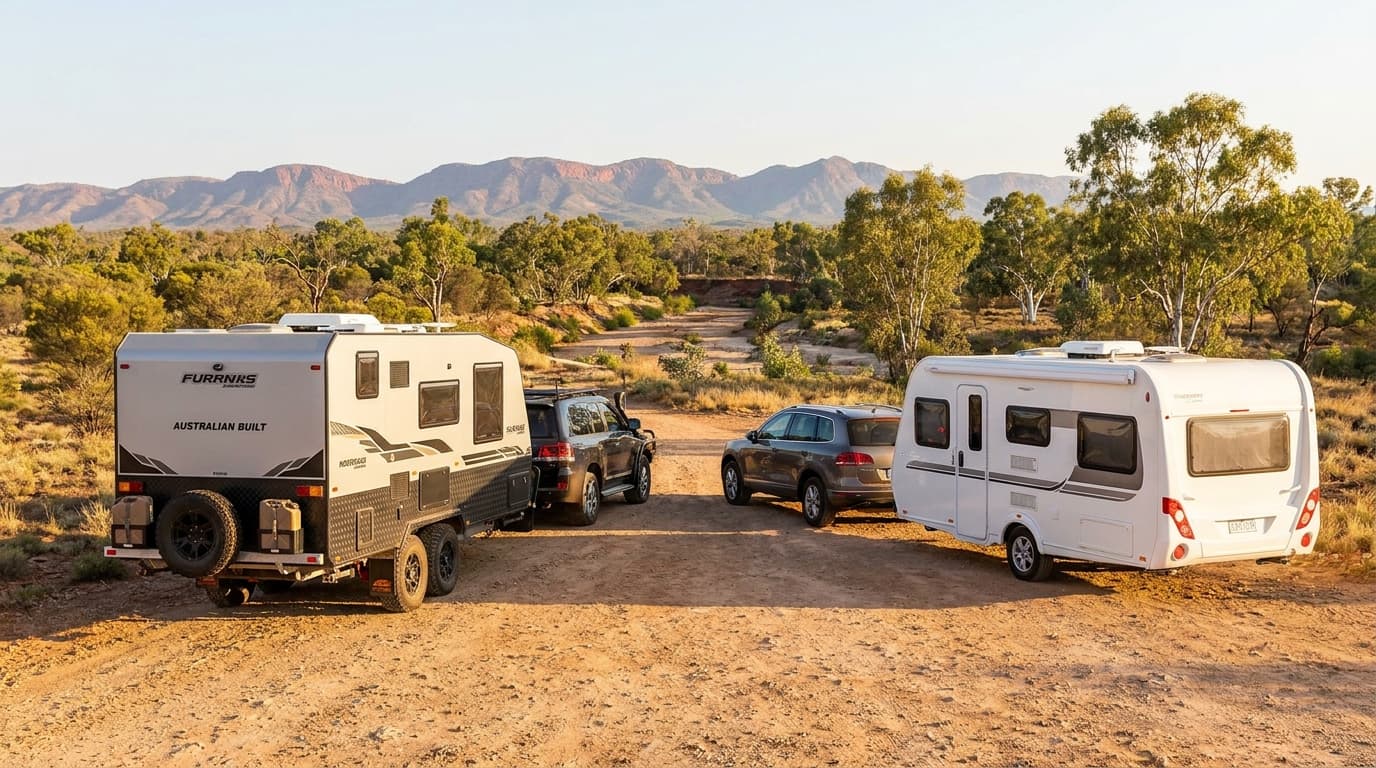
For many caravanners, especially those undertaking long journeys on Australia's vast highways, stability is paramount. This is where tandem axle caravans have a distinct advantage. With four wheels on the ground instead of two, they possess a larger footprint, which translates to a more planted and stable feel. They are less susceptible to being unsettled by strong crosswinds or the 'bow wave' of air from passing trucks and B-doubles. This inherent stability provides significant peace of mind during long hours on the road.
Safety is another critical win for the tandem setup. In the unfortunate event of a tyre blowout, a tandem axle caravan is far less likely to lose control. The remaining tyre on the same side can temporarily support the load, giving the driver a crucial window to slow down and pull over safely. On a single axle van, a blowout is a much more dramatic and potentially dangerous event, requiring immediate and skilled driver response to maintain control. The load-sharing suspension on a tandem also helps to smooth out the ride over bumps and undulations, reducing stress on both the caravan and the tow vehicle.
Manoeuvrability and Parking
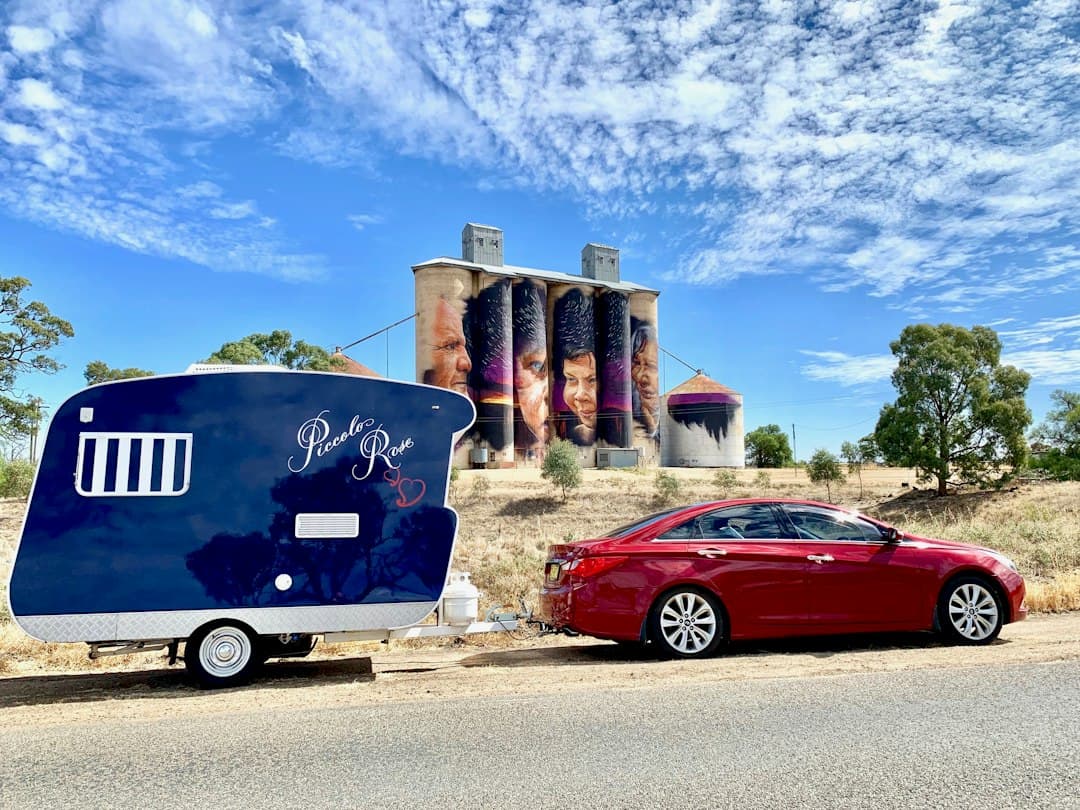
While tandem axles excel on the open road, the tables turn when it comes to tight spaces. A single axle caravan is significantly more manoeuvrable. Because it has only one pivot point (the single set of wheels), it can be turned in a much tighter radius. This is a huge benefit when navigating squeezy caravan park sites, tight bush camps, or even just reversing into your driveway at home.
Furthermore, the lighter weight and simpler geometry of a single axle van often allow it to be unhitched and manually positioned by one or two people. Pushing the van those last few feet into the perfect spot is a simple task. A tandem axle caravan, by contrast, is nearly impossible to move by hand. Its dual axles resist pivoting, causing the tyres to 'scrub' and fight against each other in tight turns. This requires more precise and powerful reversing from the tow vehicle and can make getting into a tricky site a more stressful experience.
Payload, Tare, and ATM
Understanding caravan weights is crucial, and it's an area with a stark difference between single and tandem axle models. A caravan's payload is its total carrying capacity for all your belongings, including water, gas, food, clothes, and gear. It's calculated by subtracting the Tare Mass (the empty weight of the van) from the Aggregate Trailer Mass (ATM), which is the maximum legal weight of the fully loaded van.
A tandem axle's robust construction, with its extra axle, suspension, and wheels, allows it to support a much higher ATM. This directly translates to a greater payload capacity. For families or long-term travellers who need to carry extensive supplies, tools, and recreational equipment, the generous payload of a tandem axle is often a non-negotiable feature. Single axle vans, being lighter and built for smaller loads, have a lower ATM and consequently a more limited payload. Overloading a single axle van is not only illegal but also extremely dangerous, compromising stability and braking performance.
Upfront and Ongoing Costs
Budget is a driving factor for most buyers, and this is where single axle caravans shine. From a manufacturing perspective, they are simpler and require fewer materials—one axle, two wheels, two sets of brakes, and simpler suspension. This results in a significantly lower purchase price compared to a similarly equipped tandem axle model. For those on a tighter budget or just entering the world of caravanning, a single axle van is a more accessible entry point.
The savings continue throughout the life of the caravan. Ongoing costs are considerably lower. When it's time to replace the tyres, you're buying two instead of four (plus spares). Servicing is simpler and cheaper, with fewer bearings to repack, fewer brakes to adjust, and a less complex suspension system to inspect. The lighter weight of a single axle also generally leads to slightly better fuel economy for your tow vehicle, which can add up to substantial savings over thousands of kilometres.
Maintenance and Servicing
Closely related to cost, the maintenance burden of a tandem axle caravan is inherently double that of a single axle. A tandem has four wheel bearings that need regular inspection and repacking, four sets of electric brakes that require adjustment, and four tyres to monitor for pressure and wear. The load-sharing 'rocker-roller' suspension systems commonly used on tandems also have more moving parts, with more grease points and bushings that can wear over time.
For the DIY-inclined owner, this means twice the work. For those who rely on professional servicing, it means a higher bill at every scheduled maintenance interval. A single axle van's simplicity is a major advantage here. With only two wheels, two bearings, and two brakes, the entire running gear is easier and quicker to service, reducing both downtime and expense.
Featured Caravan Models: Single vs Tandem Axle in Action
To see how these differences play out in the real world, let's look at two specific models available on The Caravan Database. One represents the light and nimble single axle category, while the other is a classic example of a stable, family-oriented tandem axle tourer.
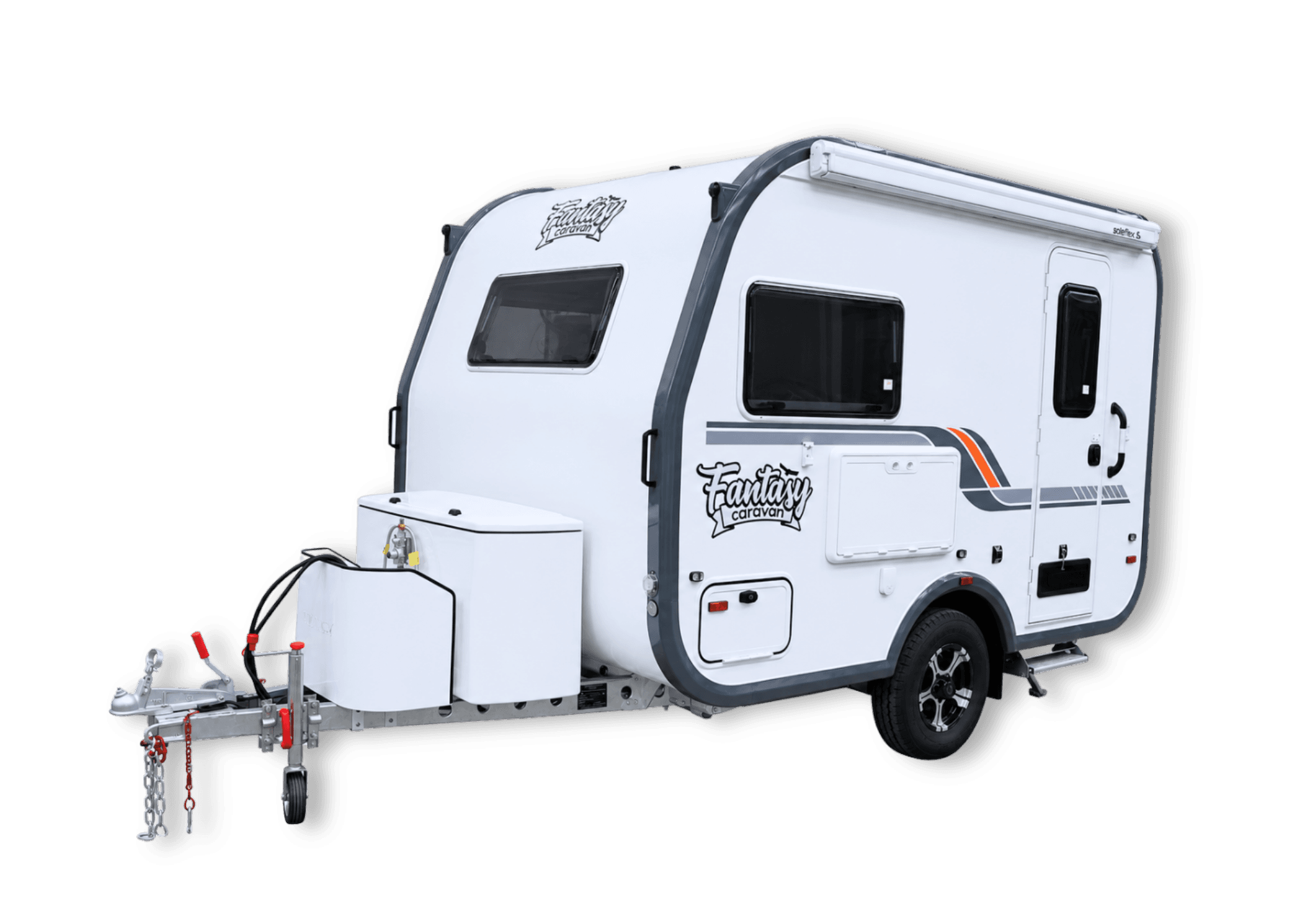
The Compact Single Axle: Fantasy Caravan Mystic 11 2026
The Fantasy Caravan Mystic 11 2026 is a perfect embodiment of the single axle philosophy. Priced at an accessible $38,990, this compact van is designed for couples or solo travellers who prioritise agility and simplicity. At just 4.91 metres long and with a Tare weight of only 1200kg, it can be comfortably towed by a wide range of mid-sized SUVs and utes, eliminating the need for a large, expensive tow vehicle.
Its ATM of 1500kg provides a payload of 300kg, which suits weekend trips or minimalist touring. The single axle design makes it a dream to park and manoeuvre in tight spots. For buyers looking for an affordable, low-hassle entry into caravanning for getaways and exploring regional destinations, the Mystic 11 is an excellent example of what makes single axle vans so appealing.
The Touring Tandem Axle: Snowy River SRC-20F 2026
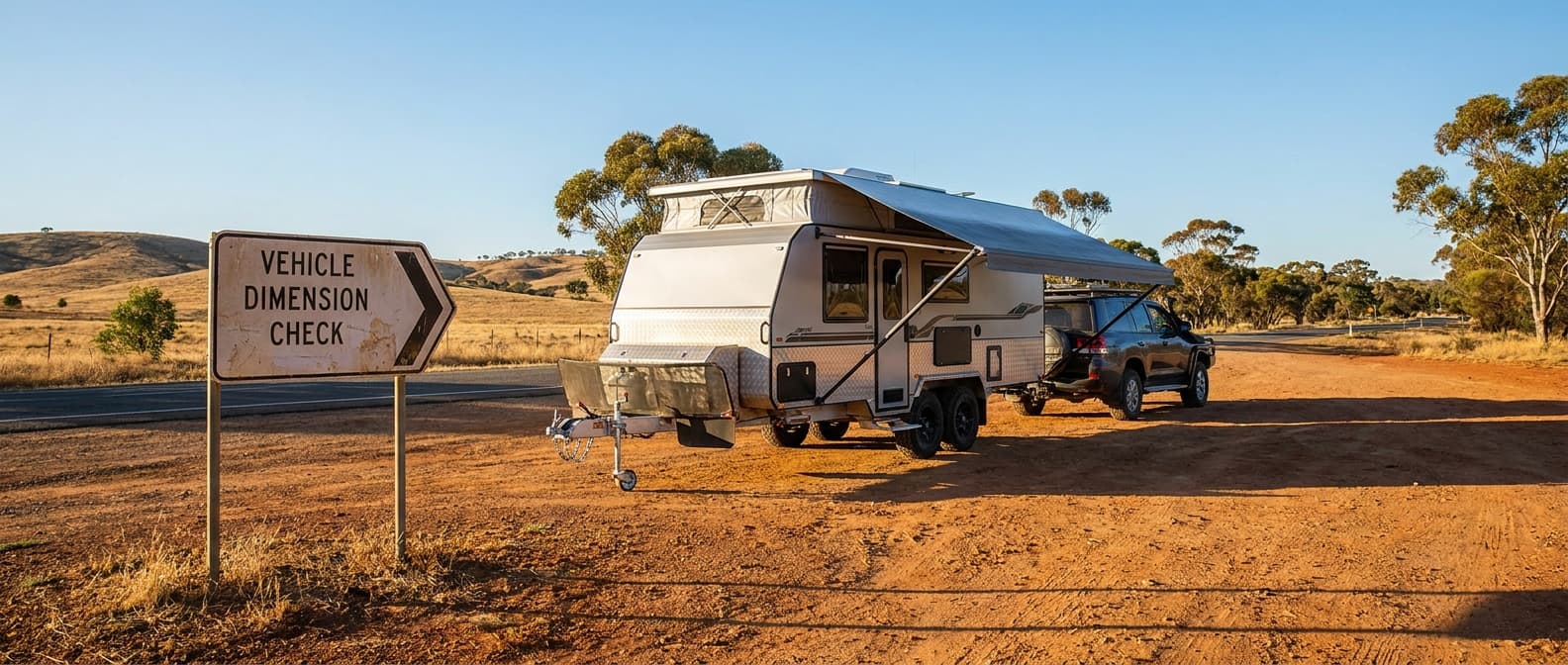
In contrast, the Snowy River SRC-20F 2026 showcases the strengths of the tandem axle configuration. This is a larger family caravan, designed for comfort and stability on the great Australian road trip. With a Tare weight of 2348kg and a robust ATM of 3000kg, it requires a more substantial tow vehicle, such as a Ford Ranger, Toyota Prado, or LandCruiser.
The key benefit is space and capacity. It sleeps four comfortably and offers a generous payload of 652kg. This allows a family to pack everything they need for extended holidays without worrying about exceeding weight limits. The tandem axle setup ensures a smooth, stable ride on the highway, providing a secure feeling when towing for long distances. Priced at $72,990, it represents a larger investment, but one that pays dividends in stability, safety, and carrying capacity for serious touring families.
At a Glance: Single vs Tandem Axle Caravan Comparison
This table provides a clear side-by-side comparison of our two featured models, highlighting the fundamental differences between single and tandem axle caravans.
| Feature | Fantasy Caravan Mystic 11 (Single Axle) | Snowy River SRC-20F (Tandem Axle) |
|---|---|---|
| Axle Type | Single | Tandem |
| Price | $38,990 | $72,990 |
| Sleeps | 2 | 4 |
| Tare Weight | 1200 kg | 2348 kg |
| ATM | 1500 kg | 3000 kg |
| Payload Capacity | 300 kg | 652 kg |
| Best For | Couples, weekend trips, easy towing | Families, long-distance touring |
Frequently Asked Questions
Is a tandem axle caravan harder to tow?
Not necessarily harder, but it feels different. On the highway, many drivers find a tandem axle easier and more relaxing to tow due to its superior stability and resistance to swaying. The difficulty comes in low-speed manoeuvring. Reversing a tandem axle requires more practice as it doesn't pivot as sharply as a single axle. You need to make wider turns and be more mindful of tyre scrub on tight corners.
Do I need a special license for a tandem axle caravan?
In Australia, your standard driver's license allows you to tow a trailer or caravan up to a certain weight, which varies by state and territory. The requirement is based on the Gross Combination Mass (GCM) – the total weight of your tow vehicle and caravan combined – not the number of axles. A light tandem axle van might be towable on a car license, while a very heavy single axle van might exceed the limit. Always check your license limitations and your vehicle's GCM rating.
How often should I replace tyres on a tandem axle van?
Tyre replacement intervals are primarily determined by age (most manufacturers recommend replacement after 5-7 years regardless of tread depth) and wear. While the wear rate might be similar, you have four tyres to replace on a tandem axle instead of two, doubling the cost. It's also crucial to rotate tyres on a tandem axle van to even out wear, as the front and rear tyres can wear differently, especially if you do a lot of tight turning.
Conclusion: Making Your Final Decision
The choice in the single vs tandem axle caravan showdown is a classic trade-off between simplicity and capability. There is no single 'best' answer, only what is best for you.
Choose a single axle caravan if:
- You are on a tighter budget.
- You prioritise easy manoeuvrability and parking.
- You have a smaller or mid-sized tow vehicle.
- Your trips are typically shorter weekends or holidays.
- You prefer lower maintenance costs and complexity.
Choose a tandem axle caravan if:
- Towing stability and safety on the open road are your top priorities.
- You are a family or long-term traveller needing a high payload capacity.
- You have a large, capable tow vehicle.
- You plan to do the 'lap of Oz' or other long-haul journeys.
- You are willing to accept higher purchase and maintenance costs for greater capability.
Carefully consider your typical travel party, your budget, the capability of your tow vehicle, and the kinds of destinations you dream of visiting. For further research, you can browse all caravans currently available or use our powerful caravan comparison tool to see detailed specifications side-by-side. By weighing these factors, you'll be well-equipped to choose the perfect caravan to begin your adventures.